
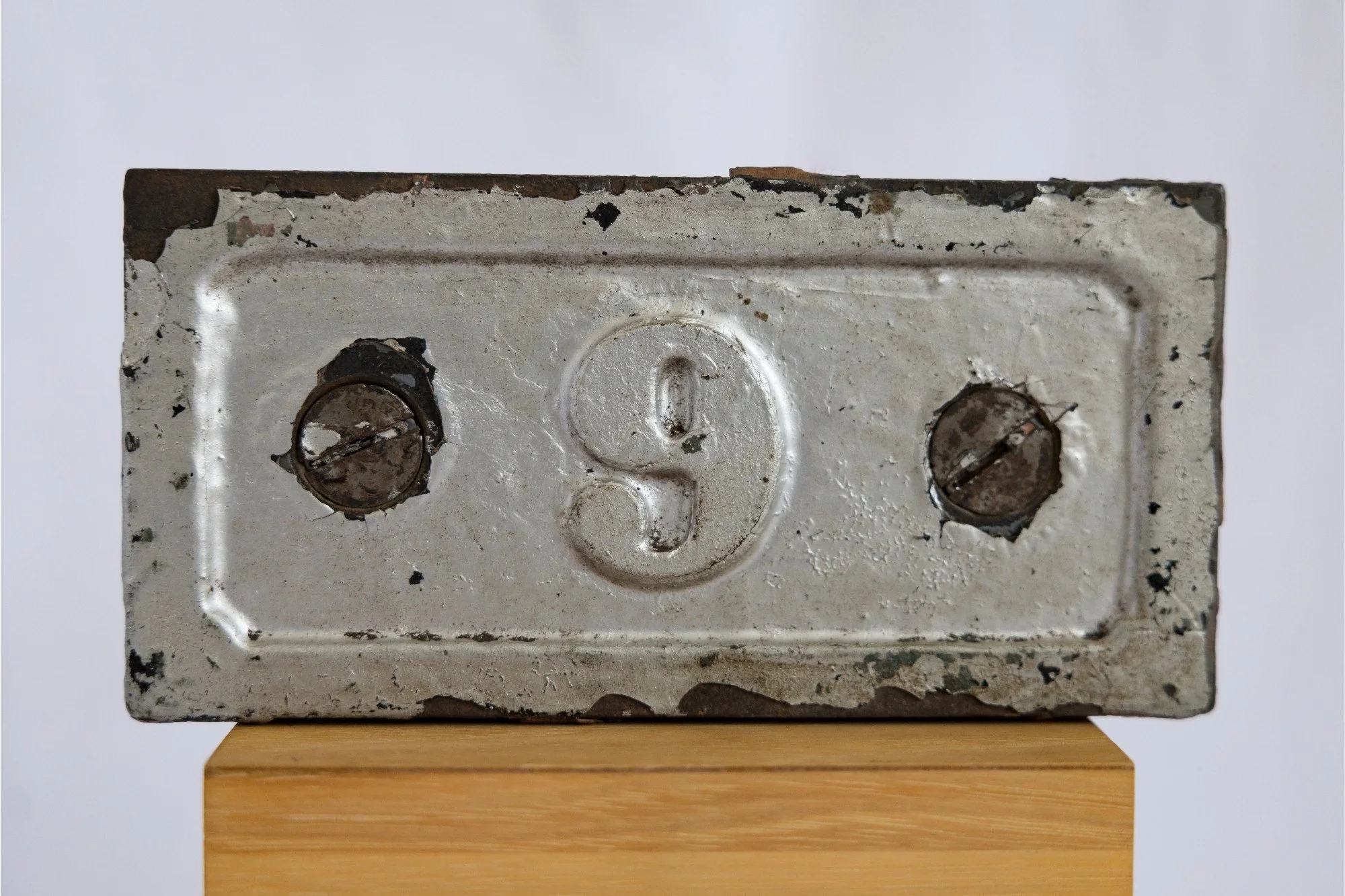
 Image 1 of 8
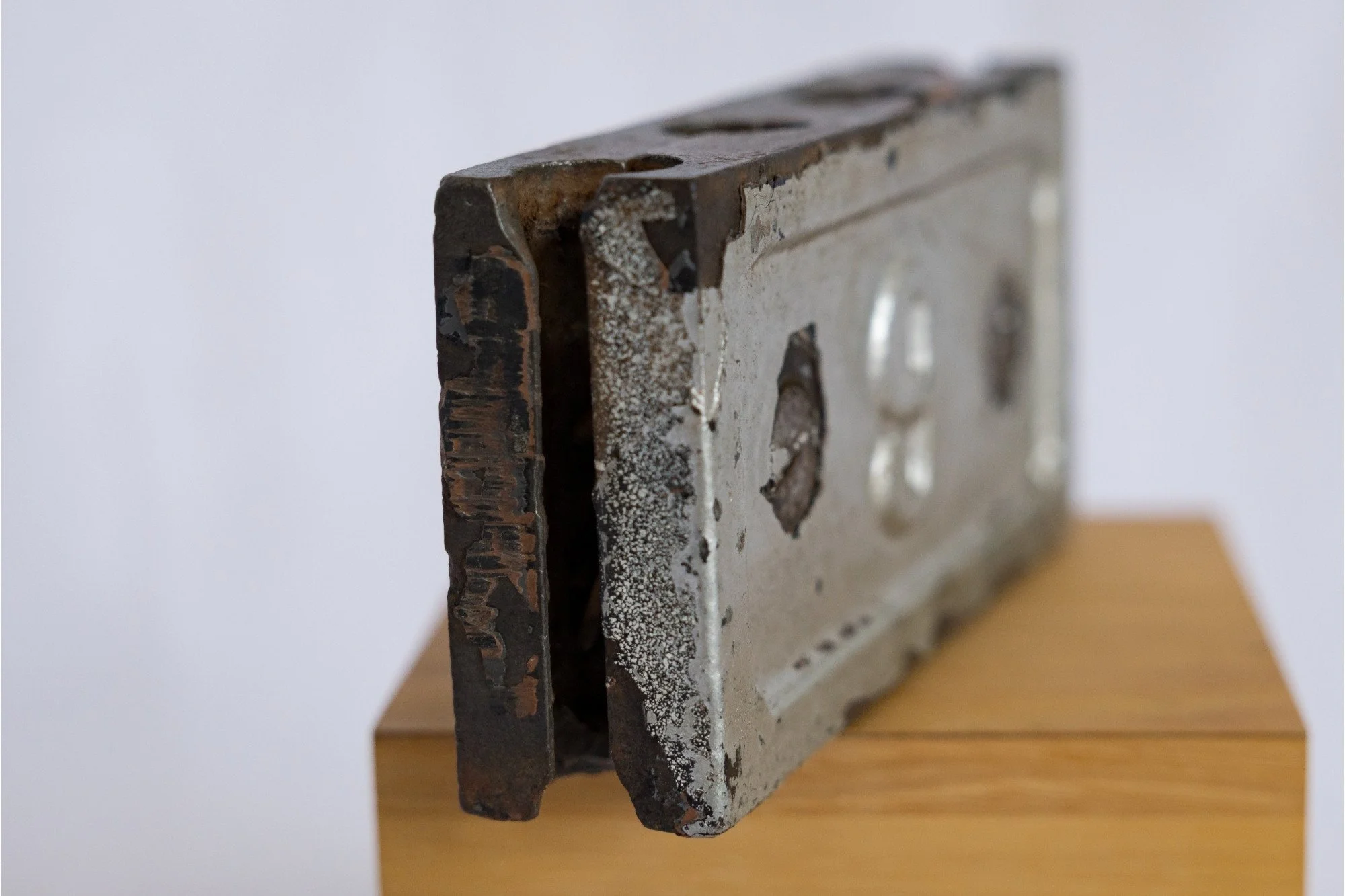 Image 2 of 8
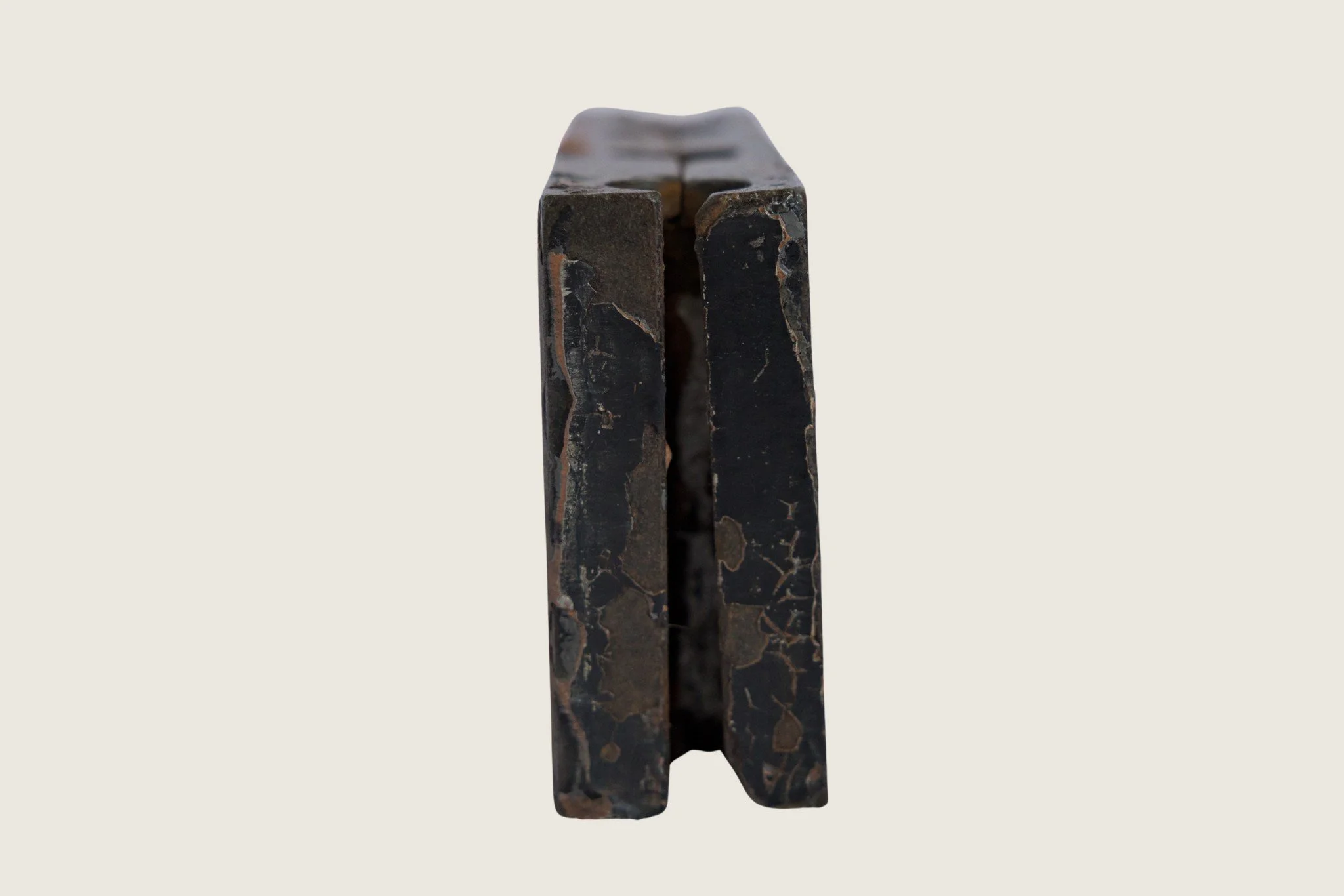 Image 3 of 8
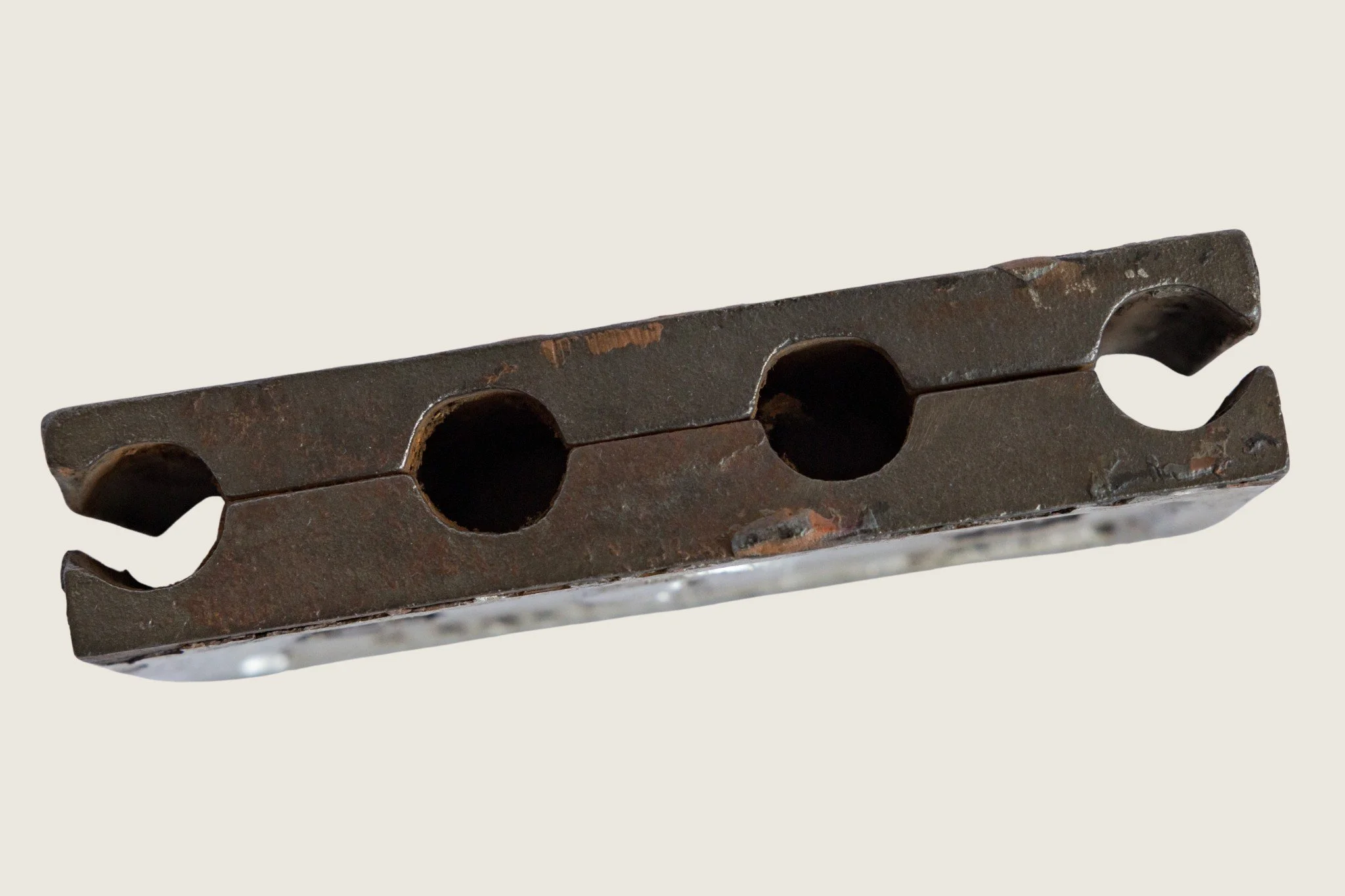 Image 4 of 8
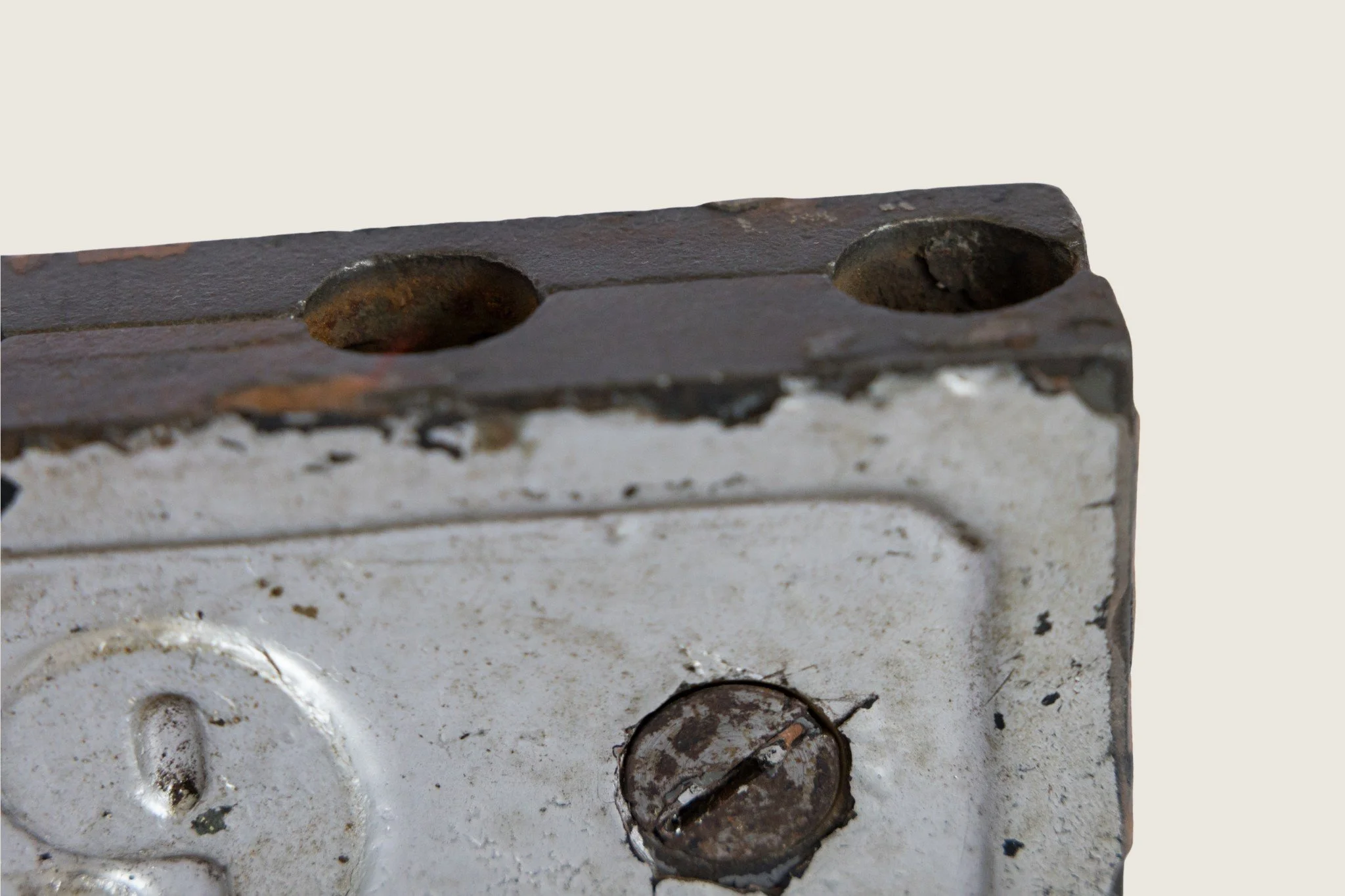 Image 5 of 8
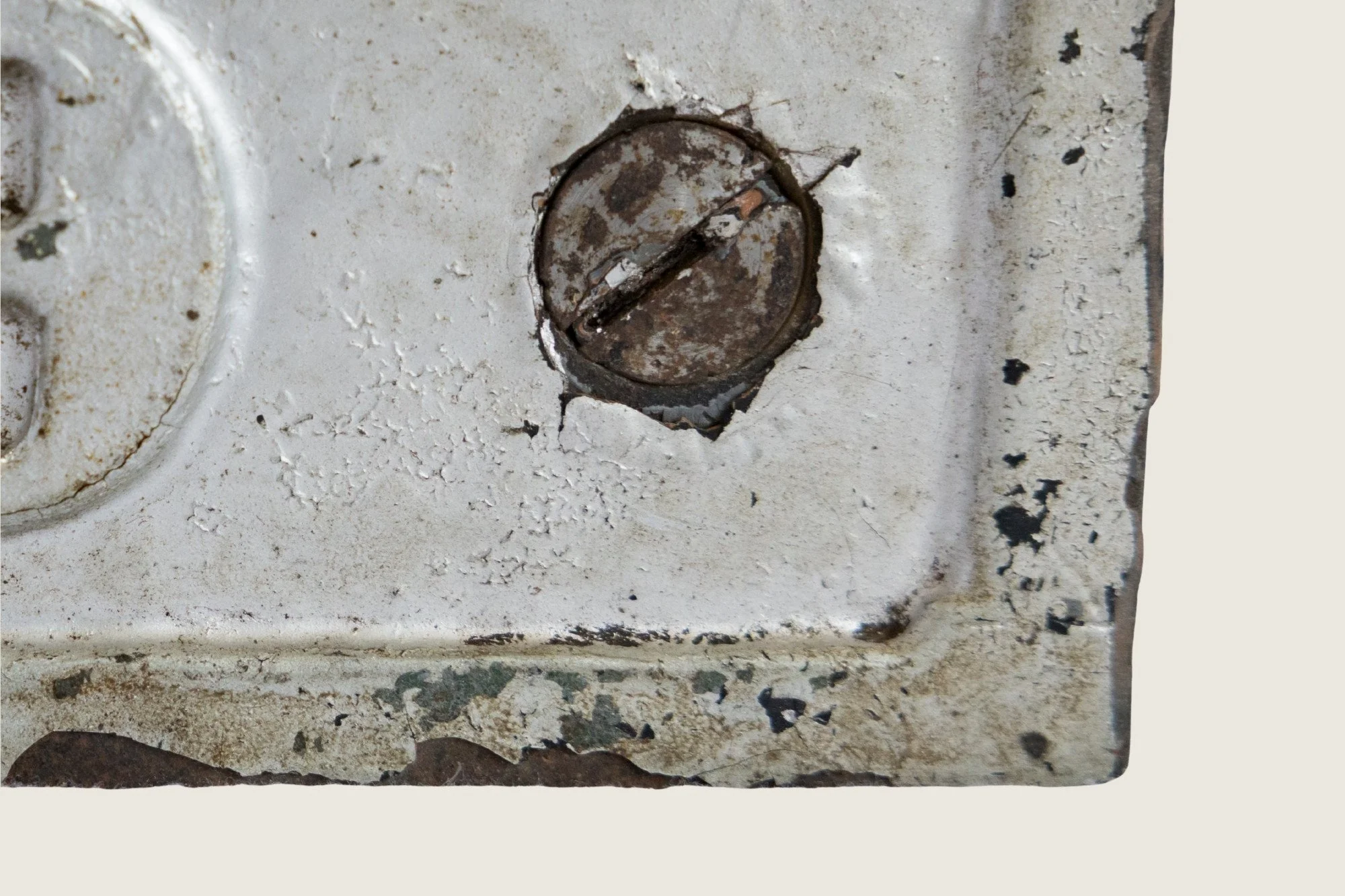 Image 6 of 8
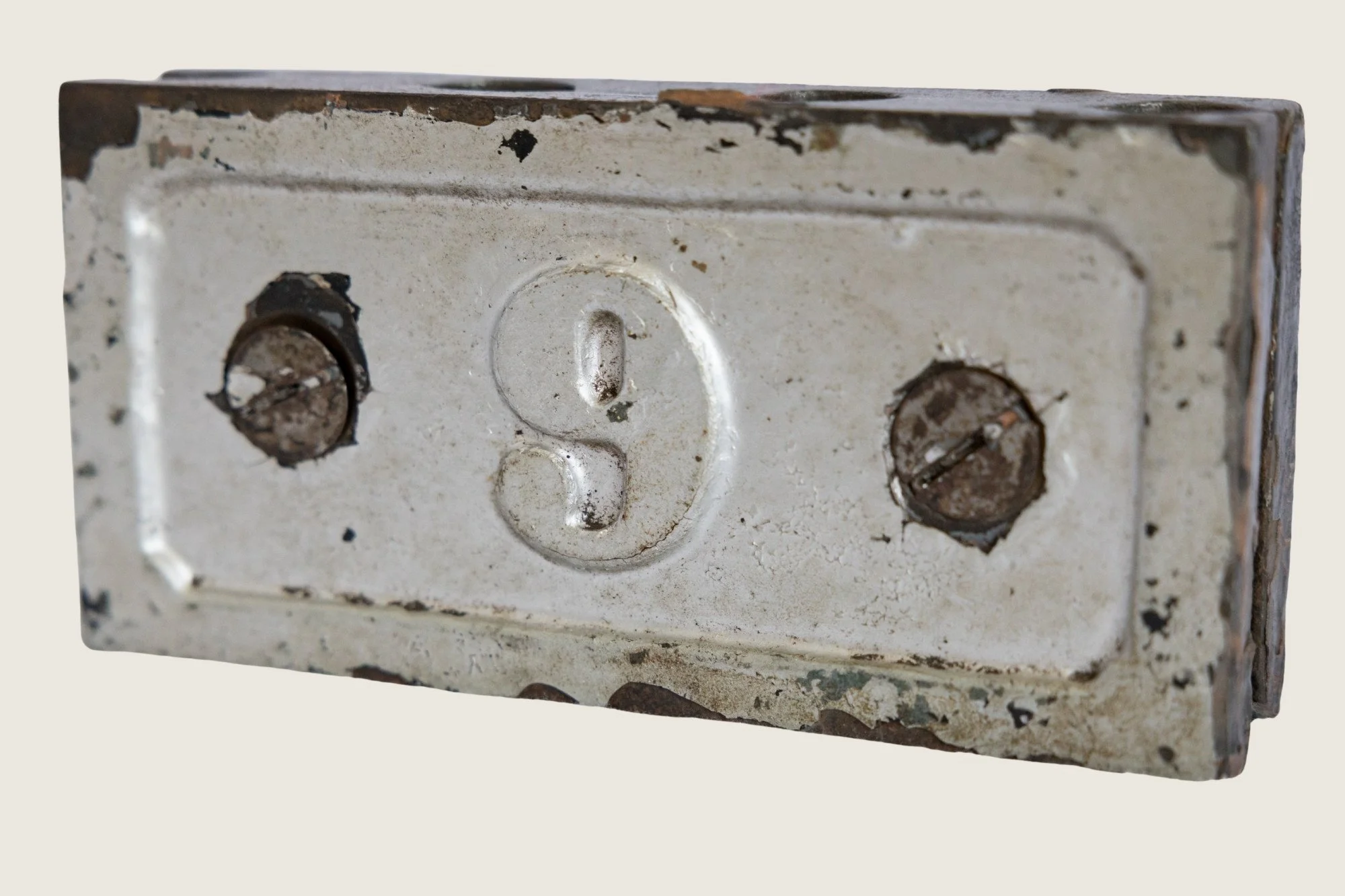 Image 7 of 8
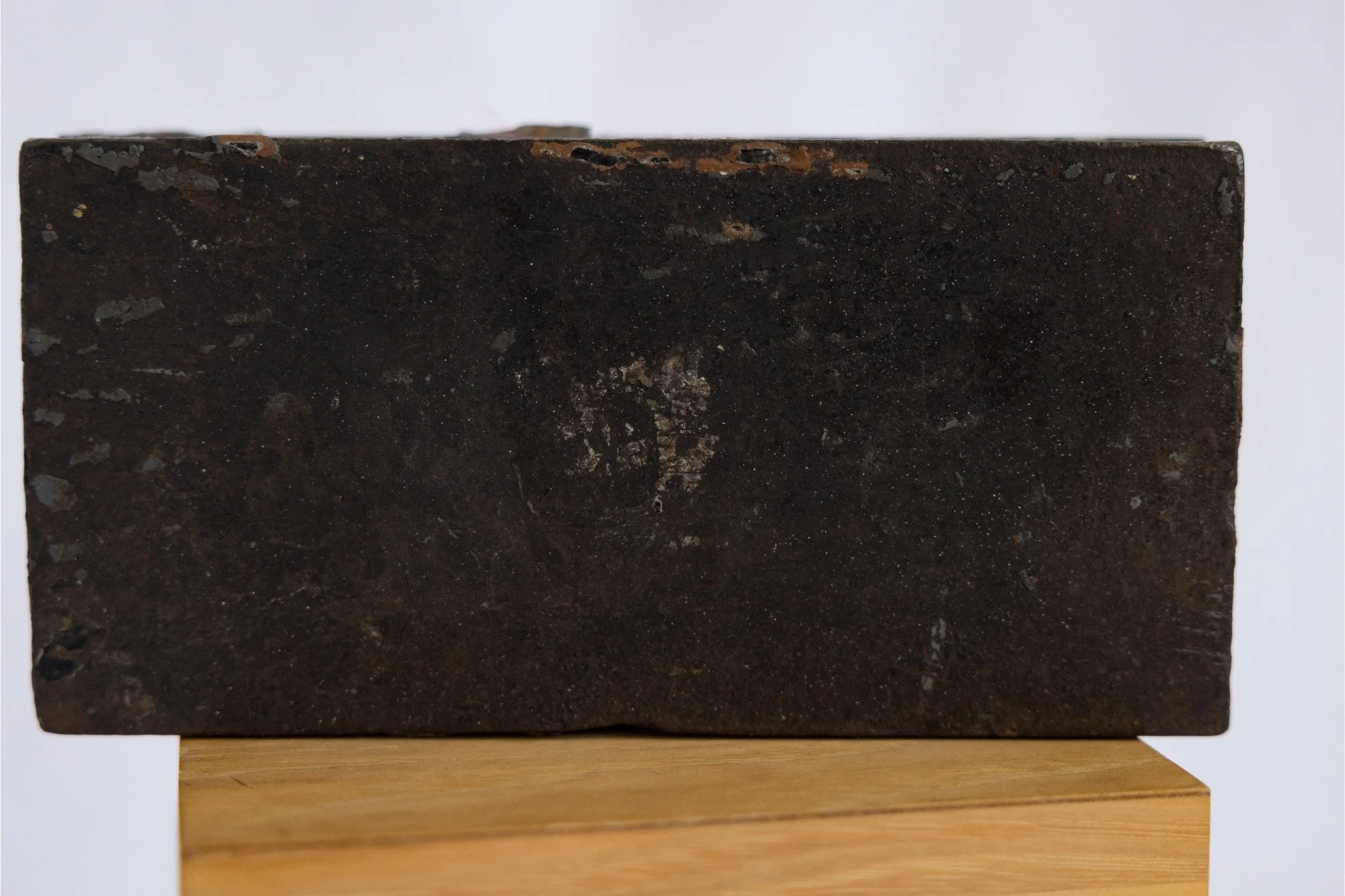 Image 8 of 8
-
The original Vermont State Prison stood at 65 State Street in Windsor, Vermont. Opened in 1809, it was enlarged in 1830, 1882, and 1928, eventually reaching 352 cells. When the original State Street prison closed in 1975, it was described as the oldest state prison in continuous operation in the United States.
The accompanying identification tag links this object to that institution and dates it to the late nineteenth century. The documented 1882 expansion falls within that period, but no evidence currently connects this particular component to that specific building campaign, cell block, or location within the prison.
Among the prison’s later documented inmates was Mary Rogers, held there in 1905 before her execution for the murder of her husband. Her case has no direct connection to this object, but it gives a sense of the institution’s long and difficult history.
-
The object is a heavy, two-piece hollow casting designed around three bars. It retains internal channels, slotted screws, mounting points, and dedicated bolt spaces for fastening it to iron bars or a related barred assembly.
This construction is unlike a thin, flat marker intended simply to identify an individual cell door. It is more plausibly understood as a numbered component within a larger cell-block, gate, partition, or locking system.
The numeral “9” may therefore have identified a block, tier, gate, section, or component position rather than a single cell. Its exact original use remains unconfirmed, but the construction strongly supports an architectural or security role within a larger institutional assembly.